Empty cart
Oh no! It appears your cart is empty. Add some almonds to your daily regime with the Treehouse products.
All Blog PostsNews

Treehouse California Almonds has long been committed to responsible management of water resources. For decades, we and our almond farmer partners have taken steps to preserve water through micro drip irrigation, deficit irrigation strategy and soil health improvement initiatives. Most recently, we have taken additional steps to preserve even more water, drawing on guidance from the state’s landmark 2014 Sustainable Groundwater Management Act (SGMA) principles.
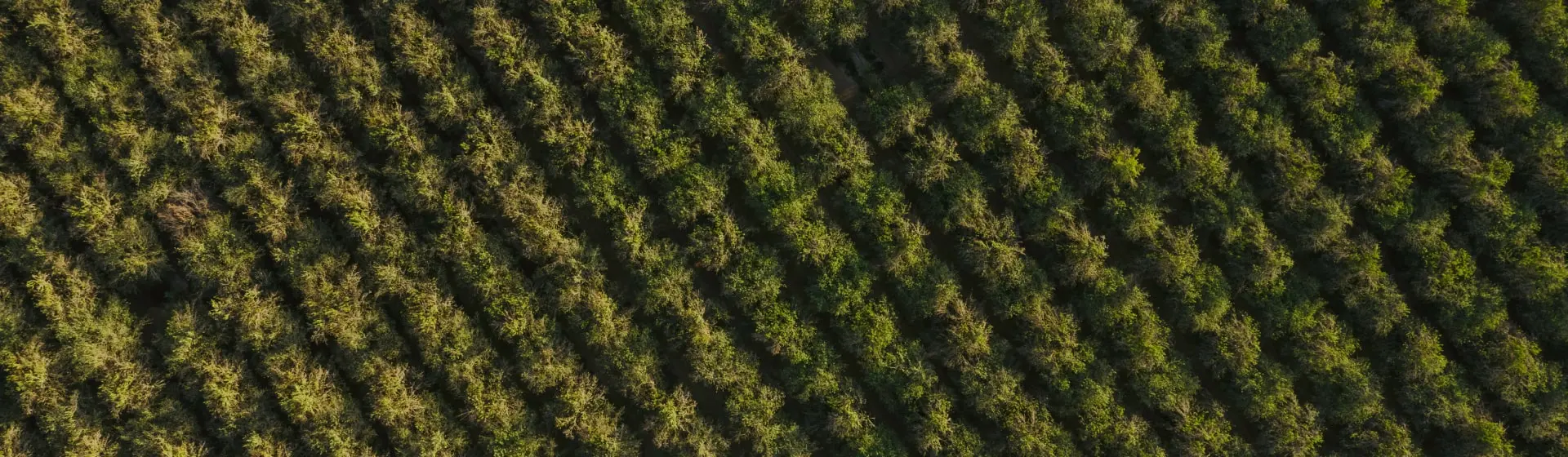
Several of our almond growers have created recharge basins (sometimes called recharge ponds) to advance water conservation. These basins collect excess surface water, which seeps down through the soil until it ultimately recharges the farm’s aquifers. These basins are, in essence, man-made floodplains, which help to channel rainfall in ways that benefit both agriculture and the community.
As of 2022, at least five of our almond growers have been using such basins across more than 300 acres of almond orchards. This has the potential to recharge more than a million gallons of water per year. Our aim is to continue to embrace this water conservation technique and others as Treehouse and its almond farmer partners take stride in enhancing their sustainability.
Stay tuned for the release of significant almond industry information, such as almond crop estimates and acreage reports. You’ll also find Almond Board shipping reports and related analysis from the Treehouse Almonds Leadership Team.

Be in the loop for vital news about the California almond market.
Enjoy 10% off when you order 6 or more