

Empty cart
Oh no! It appears your cart is empty. Add some almonds to your daily regime with the Treehouse products.
All Blog PostsNews

Updated in: September 08, 2026
. • All Blog Posts • News
Almond powder, whether in the form of almond protein powder or almond flour, is a versatile gluten-free ingredient. It can be incorporated into a variety of recipes, from sweet treats like cakes and cookies to savory dishes like meats and vegetables. Though similar, almond protein powder and almond flour serve different purposes in the kitchen. Let’s explore how each can be used and why almond powder is a valuable addition to any recipe.
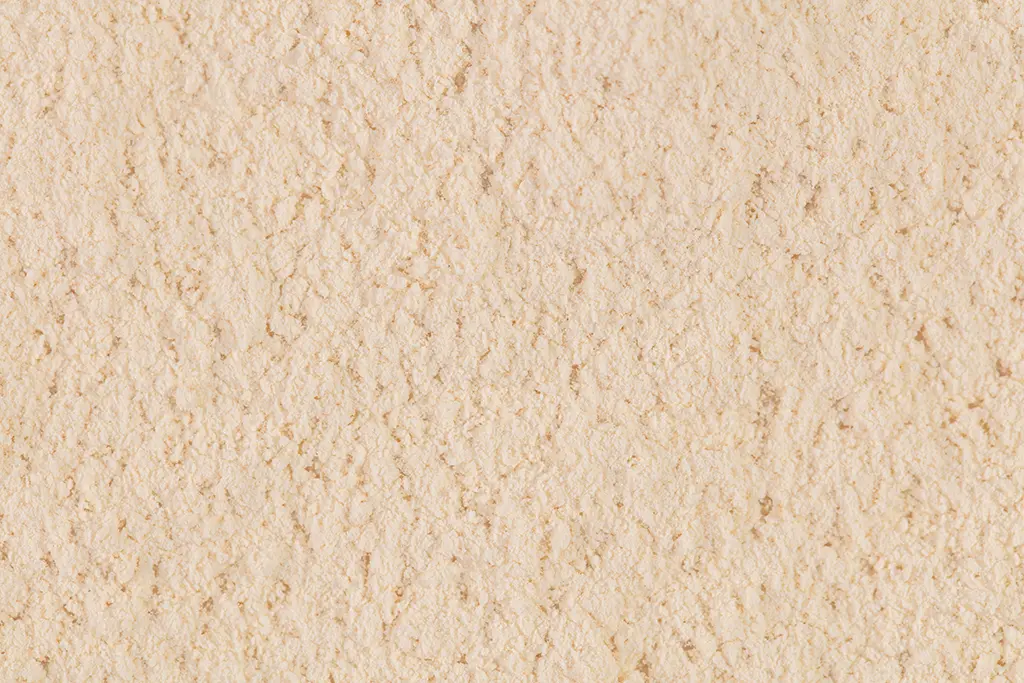
While both come from almonds, the key difference is how they are processed. Almond protein powder is produced by extracting the oil from almonds and creating a protein-rich powder. Almond flour, on the other hand, is made by grinding whole blanched almonds.

Almond protein powder is known for its impressive nutritional profile and can be incorporated into a wide range of recipes.

Almond powder can be incorporated into a wide range of recipes, adding both flavor and nutrition:
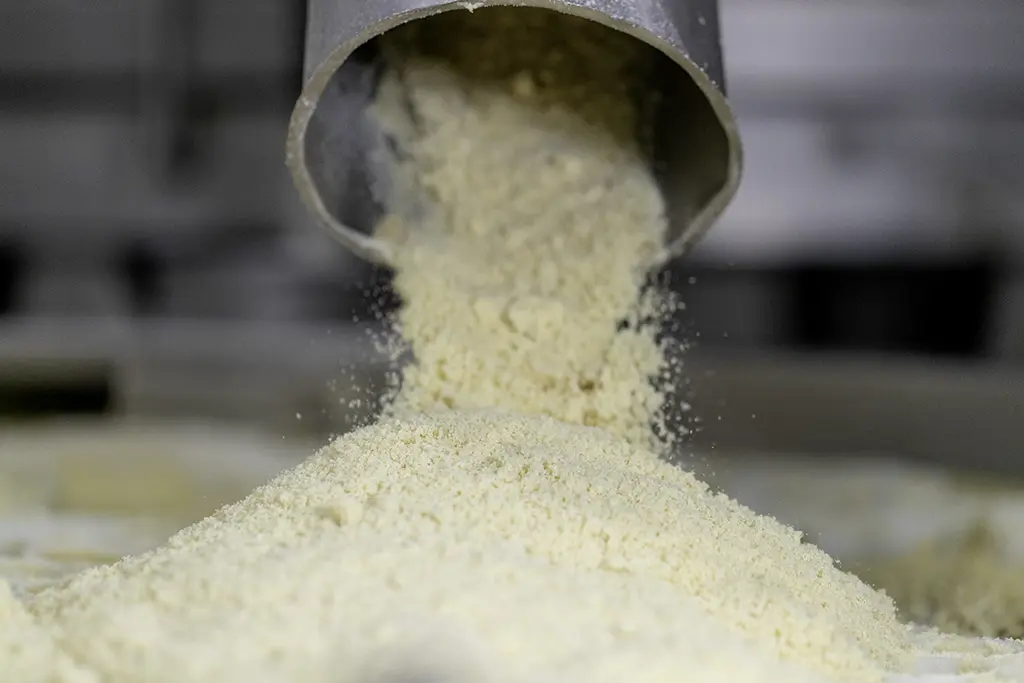
For businesses looking to tap into the growing demand for plant-based and protein-rich foods, almond protein powder is an excellent ingredient:
Not only is almond powder a nutritious and versatile ingredient, it also offers new opportunities for companies in the health and wellness space. Whether you’re a consumer looking to improve your diet or a company developing new products, almond protein powder is a smart and sustainable choice.
Here at Treehouse California Almonds, we produce a premium almond protein powder that is preferred by leading food manufacturers and product developers around the world. Our almond protein powder stands out from most other protein supplements on the market because it’s vegan, dairy-free, and gluten-free.
We create our almond protein powder by blanching high-quality, food-grade almonds and then cold-pressing them to extract their natural oils. This process results in a silky almond powder that exceeds 50% protein content by volume, while also delivering a flavor that complements and enhances the flavor profile of any product.
You can find out more on our website: https://treehousealmonds.com/wholesale-products/almond-protein-powder/ or contact our experts.
Almond protein powder is made by extracting the oil from almonds and turning what’s left into a protein-rich powder, while almond flour is made by grinding whole blanched almonds. Almond flour gives a finer, fluffier texture for baking, while almond protein powder is higher in protein and better suited to fitness-focused recipes.
It’s a source of fiber that supports digestive health and satiety, is rich in protein for muscle building and repair, is low in carbs (suitable for low-carb and keto diets), and is packed with antioxidants that support skin and cellular health.
It can be used as a coating for meats or a base for veggie patties, blended into smoothies and shakes, added to pancakes, waffles, and energy bars to boost protein content, or used to thicken sauces and soups while keeping a creamy texture.
Yes. Treehouse’s almond protein powder is vegan, dairy-free, and gluten-free, making it suitable for plant-based and allergen-conscious formulations.
Treehouse produces its almond protein powder by blanching food-grade almonds and cold-pressing them to extract the natural oils, resulting in a powder that exceeds 50% protein content by volume.
It’s used in vegan-friendly energy bars, shakes, and snacks; combined with other plant proteins for hybrid food solutions; and added to functional foods like protein drinks or enriched snacks for health-conscious consumers.
Stay tuned for the release of significant almond industry information, such as almond crop estimates and acreage reports. You’ll also find Almond Board shipping reports and related analysis from the Treehouse Almonds Leadership Team.
Be in the loop for vital news about the California almond market.
Enjoy 10% off when you order 6 or more