Empty cart
Oh no! It appears your cart is empty. Add some almonds to your daily regime with the Treehouse products.
All Blog PostsAlmond Market UpdatesNews

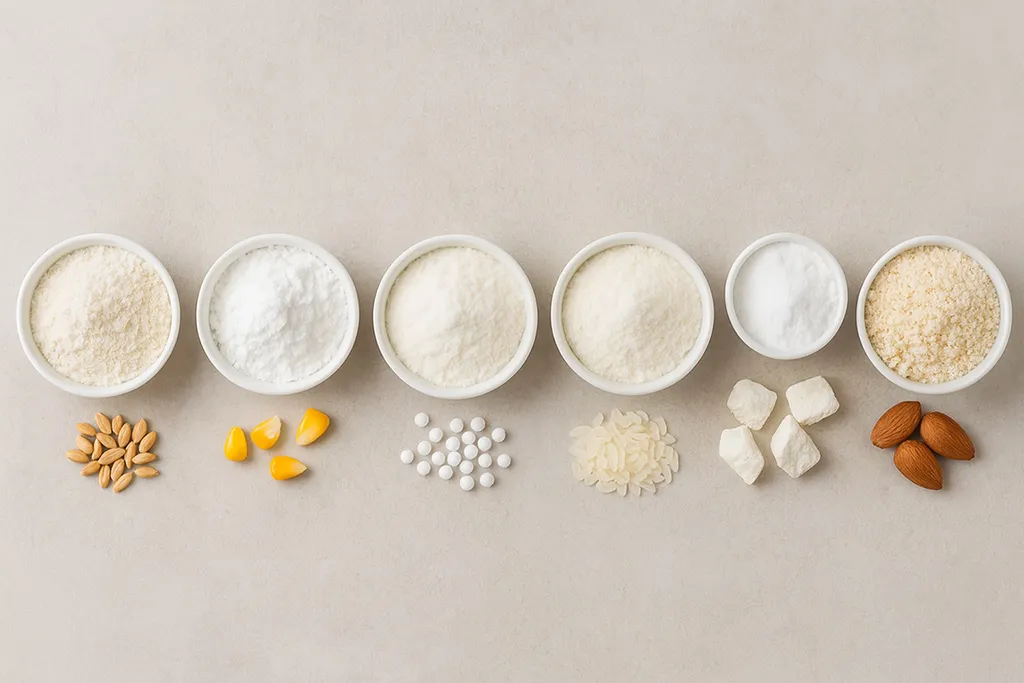
As consumers increasingly choose clean-label, gluten-free, and nutrient-dense foods, the flour market is undergoing a major transformation.
For decades, the food industry relied heavily on white refined flours, such as: wheat flour, corn starch, tapioca starch (sweet and sour), and rice flour. These flours are highly refined and contain fewer natural nutrients — a growing concern for today’s health-conscious consumer.
But there is another important distinction: the difference between white refined flours and chemically bleached flours.
When discussing bleached flour, it’s important to clarify that chemical bleaching applies almost exclusively to wheat flour.
Other commonly used white flours — such as rice flour, corn starch, tapioca starch (sweet and sour), and refined cassava flour — are naturally white due to their refining process. These flours are not chemically bleached.
By contrast, bleached wheat flour is treated with approved oxidizing agents such as benzoyl peroxide or chlorine-based compounds to accelerate aging, improve dough performance, and achieve a whiter, finer flour.
According to Title 21 — Code of Federal Regulations (CFR) § 137.105 “Flour”, the FDA allows the use of bleaching agents in wheat flour within defined maximum limits.
The FDA also clarifies in its official ingredient labeling guidance that any flour treated with bleaching agents must clearly state “bleached” on the label and declare the bleaching ingredient in the ingredient statement.
As consumers and manufacturers increasingly shift toward clean-label, minimally processed, and chemical-free flour alternatives, many companies are reducing their use of chemically bleached wheat flour in favor of naturally white, non-chemically treated flours — including Blanched Almond Flour, which offers clean color and performance without chemical bleaching.
Not all flours become white in the same way — and the term “blanched” is often misunderstood. While chemically bleached wheat flour is whitened using benzoyl peroxide or chlorine-based agents, most other flours achieve their light color through natural processes, not chemicals.
Examples of naturally processed flours:
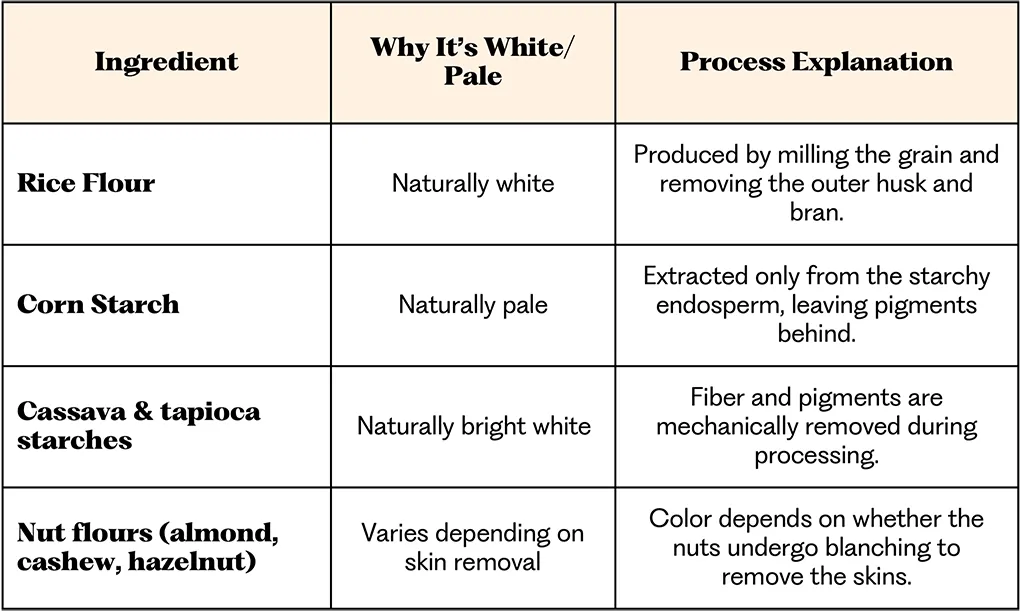
In these cases, “white” comes from refining, milling, or skin removal, not from chemical bleaching.
Blanching = a natural process (not bleaching)
In the context of nut flours, “blanched” does NOT mean chemically bleached. It refers to a simple, natural step: removing the skin using hot water (steam or warm-water blanching).
This method preserves the ingredient’s natural integrity and supports clean-label formulations.
Benefits of naturally blanched flours:
Why Blanched Almond Flour Stands Out
Among naturally blanched flours, blanched almond flour is one of the highest-performing ingredients in modern bakery and snack formulation.
The Almond Board of California confirms: “Blanching removes the almond skin and produces a lighter-colored, fine-textured flour ideal for premium bakery applications.”
Because the almond is rich in protein, healthy fats, and micronutrients, removing only the skin — and nothing else — creates a flour that is:
This positions blanched almond flour as a premium alternative to chemically bleached wheat flour and refined white starches.
Growing trends show why blanched flour, particularly blanched almond flour, is becoming a preferred choice in modern product development.
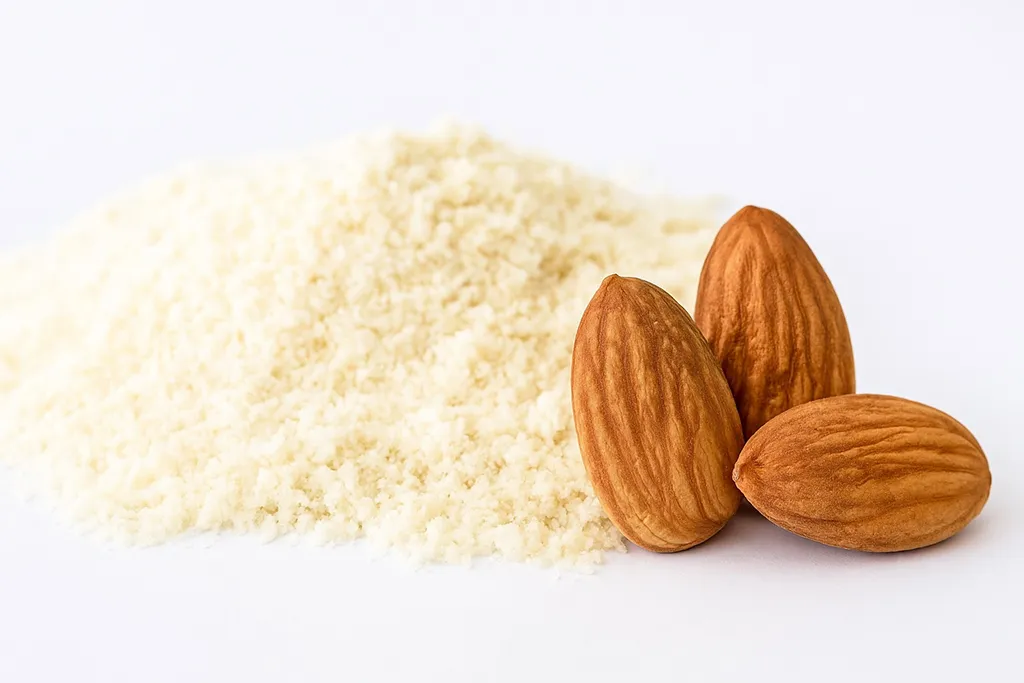
Consumers expect transparency and simple ingredient lists. Blanched almond flour fits perfectly into this clean-label movement.
The global gluten-free market is projected to surpass USD 14 billion by 2030, according to Grand View Research.
Blanched almond flour naturally supports these categories, offering:
It is one of the most versatile natural flour alternatives available today.
The Almond Board of California highlights industry progress in:
Because blanched almond flour requires no chemical agents and comes from a crop with increasing sustainability metrics, it aligns perfectly with the values of conscious brands and consumers.
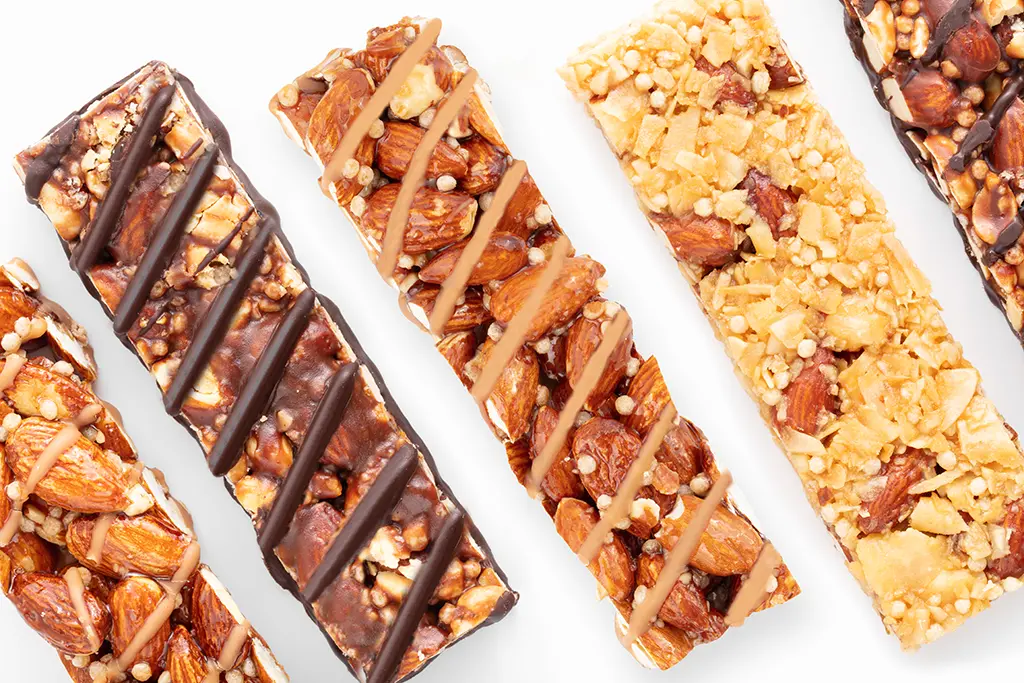
Blanched almond flour offers functional and sensory advantages across multiple categories.
Bakery & Confectionery: macarons, cookies, muffins, premium cakes
Gluten-Free, Keto & Low-Carb Applications: doughs and batters, tortillas, protein bars
Better-for-You Snacks: crackers, coating systems, hybrid plant-based products
Its fine particle size, neutral color, and smooth texture deliver superior performance in modern formulations.
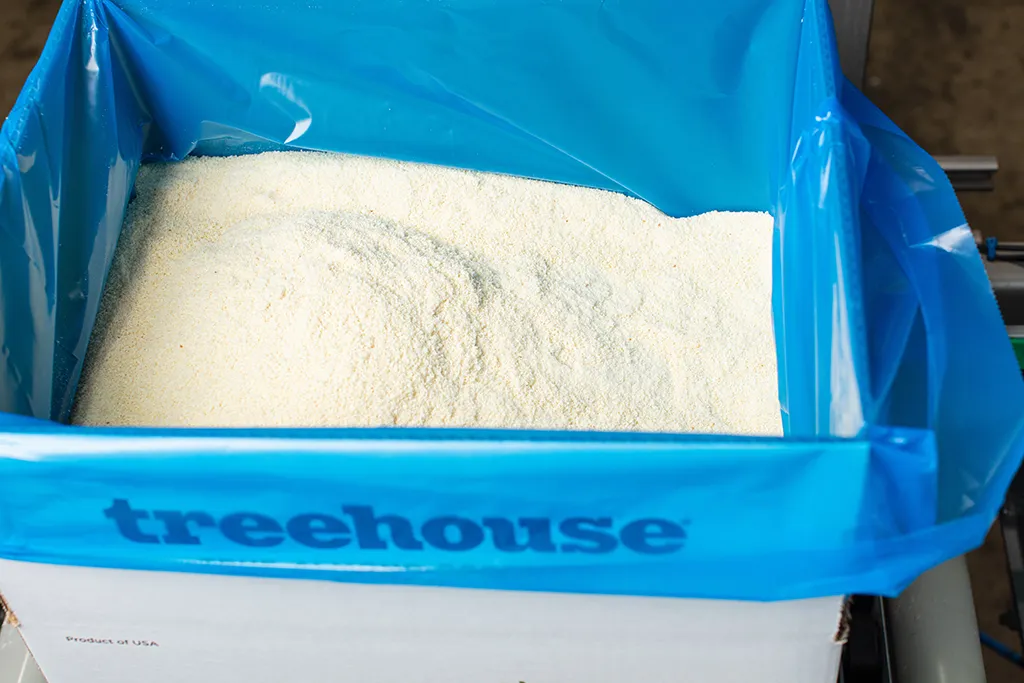
Treehouse California Almonds is uniquely positioned to support the evolving flour landscape with high-quality, clean-label ingredients.
The future of flours is natural, sustainable, and high-performing — and blanched almond flour sits at the center of this transformation.
Whether your goal is clean-label bakery, gluten-free innovation, or better-for-you snacks, Treehouse delivers the quality, consistency, and sustainability needed for next-generation products.
👉 Explore Treehouse Blanched Almond Flour and elevate your next formulation: https://www.treehousealmonds.com/wholesale-products/almond-flour/
Contact Treehouse California Almonds to start your next project.
At Treehouse California Almonds, we produce premium almonds with a commitment to quality, consistency and sustainability for the world’s most demanding food companies.
Our passion for the perfect almond — in all its forms: flour, protein powder, organic almonds, inshell, diced, whole, slivered, sliced, butter, and more — has led us to invest in some of the most advanced almond processing systems in the world. That same passion extends to how we support our growers, protect the environment, and care for the pollinators that make it all possible.
To learn more about Almonds Solutions and Treehouse’s sustainability initiatives, visit: treehousealmonds.com/ or discover on: Linkedin, Facebook and Instagram
Be in the loop for vital news about the California almond market.
Enjoy 10% off when you order 6 or more