
Empty cart
Oh no! It appears your cart is empty. Add some almonds to your daily regime with the Treehouse products.
All Blog PostsNews

Updated in: June 27, 2023
. • All Blog Posts • Almond Crop Estimates • NewsThe Objective Forecast was released by NASS today putting the 2021 California almond crop at 2.80 billion lbs. This is 10% down from the 2020 crop of 3.12 billion lbs and 13% down from the Subjective forecast of 3.20 billion lbs. This forecast lands at the low end of expectations.
NASS cited significantly lower nutsets (on average down 18%, with nonpareil down 20%) as well as lower kernel weights (all varieties down 3% and nonpareil down 6%). Usually lower nutset result in larger kernels.
The combined effect of lower nutset and weight results in a projected yield of 2105 lbs per acre on 1.33 million bearing acres, down nearly 16% from average yield last season of just over 2500 lbs per acre.
Drought, water availability and extreme summer heat were cited in the report.
Using the usually reliable assumption that California will sell and ship what it grows, at 2.80 billion lbs there is no room for any shipment growth in the 2021 season, whereas shipments last season are looking to end at around 21% growth.
The market will figure out the price level that slows shipment growth, but it is likely higher than pricing seen in the run-up to the report.
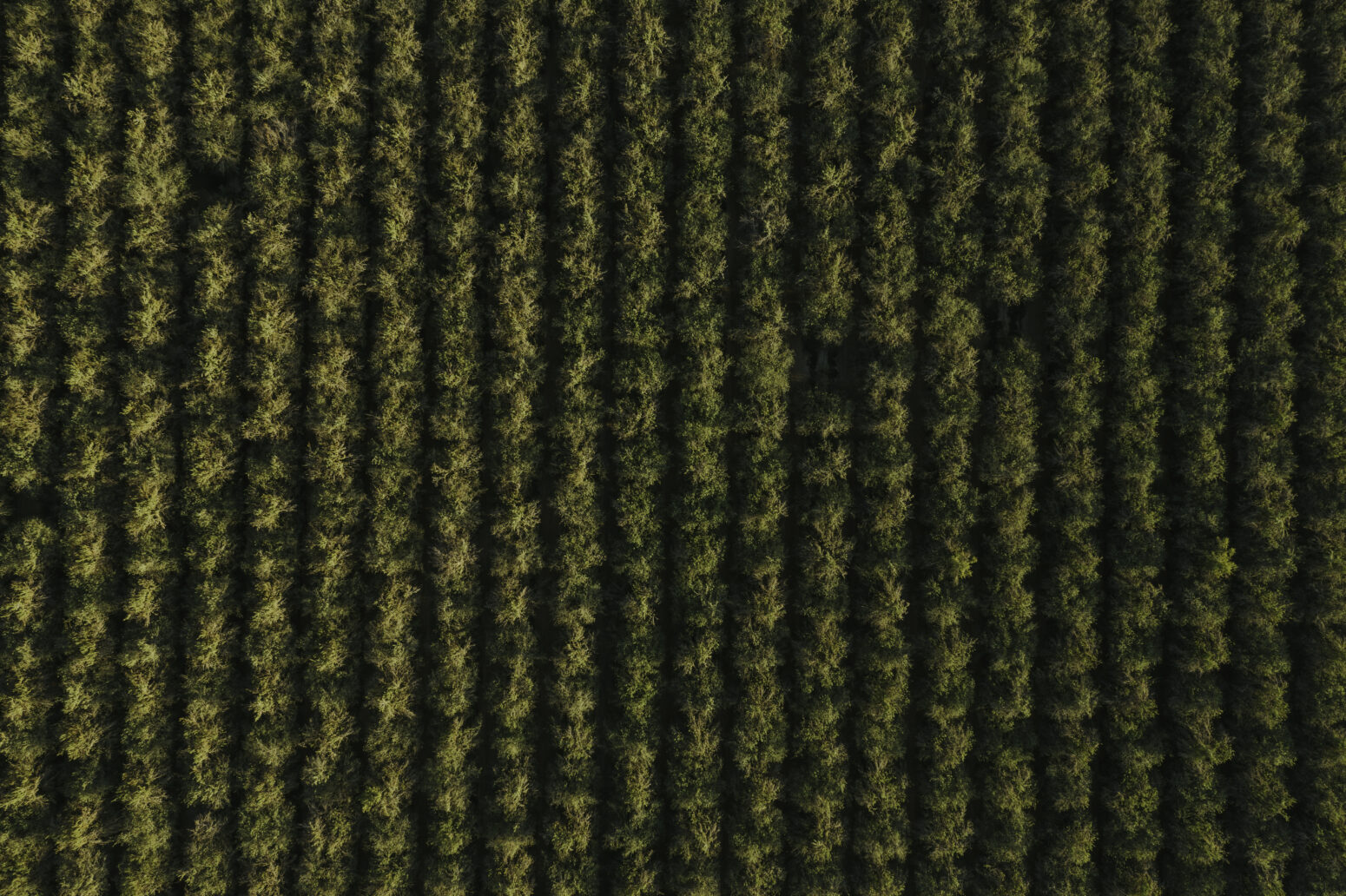
Stay tuned for the release of significant almond industry information, such as almond crop estimates and acreage reports. You’ll also find Almond Board shipping reports and related analysis from the Treehouse Almonds Leadership Team.
Be in the loop for vital news about the California almond market.
Enjoy 10% off when you order 6 or more