

Empty cart
Oh no! It appears your cart is empty. Add some almonds to your daily regime with the Treehouse products.
All Blog PostsNews

Updated in: September 08, 2026
. • All Blog Posts • From the Farm
For over 30 years, Treehouse Almonds has mastered cultivation and marketing Almonds. They are much more than a simple fruit, they are versatile. Their types and preparation methods offer an incredible variety of experiences and flavors. They are extremely healthy and rich in vitamins.
Continue reading to learn more about the types of almonds.
Derived from pure almonds ground into a fine powder, almond flour is a key ingredient in gluten-free and low-carb recipes. It provides structure and moisture to cakes and breads while adding a slightly sweet touch to recipes.
Produced by grinding almonds to a soft and creamy consistency, almond butter is a versatile ingredient. Due to its deep almond flavor and enriching texture, it’s the superstar of many dessert recipes.

The sliced almonds are thinly cut, these almonds offer a delicate aesthetic, perfect for decorating both sweet and savory dishes. They also introduce a crunchy element when sprinkled over salads or incorporated into baking recipes.
Thinner than the sliced ones, slivered almonds resemble translucent leaves. They’re perfect for cake toppings, adding a delicate and sophisticated touch to any recipe.
Chopped into cube-like shapes, diced almonds bring a rustic and textured element. In this form, almonds are great for muesli, quick snacks with mixed dried fruits, and even some savory dishes.

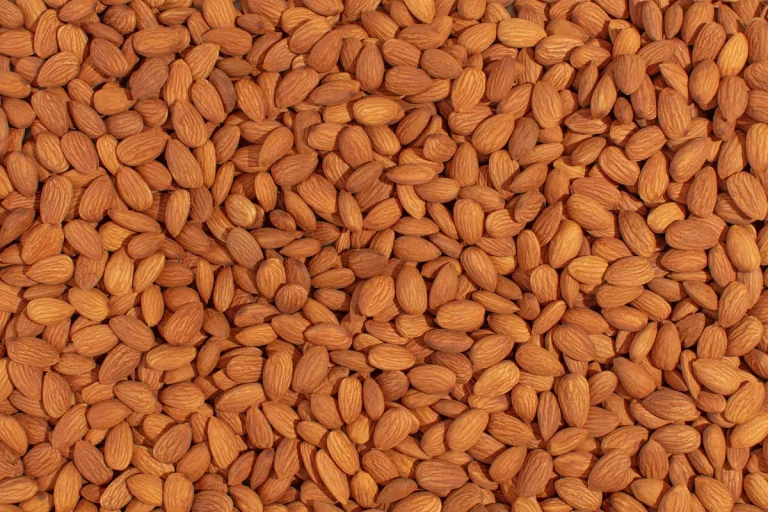
These are almonds in their purest form, with all their integrity, flavor, and texture preserved. On their own, they’re considered a super healthy snack, but whole almonds also work well in various recipes.
As the name suggests, almond halves are almonds mechanically cut in half, revealing their soft and porous internal texture. Often found in chocolates, they provide a burst of flavor when contrasting with the smoothness of cocoa.
These almonds are sold in their most natural form, with their intact protective shell. The shell keeps the almond fresh for a longer period of time and provides a crunchy texture when roasted.
Essentially, these are defatted almonds ground into powder. It’s an excellent alternative for shakes and recipes seeking to enhance protein intake with a lighter flavor.
Extracted from almonds, the almond oil is known for its health-beneficial properties. Additionally, it’s widely used in both cooking and the cosmetics market.
With the exception of almonds in the shell, protein powder, and oil, all other variations can be found in the following preparations:
The natural version represents almonds in their pure essence. Their shells are removed, but the skin is still preserved. Natural almonds retain their original aromas and flavors without any additional processing. The Nonpareil variety is a consumer favorite. Prized for its natural sweet flavor makes the Nonpareil variety the best choice for snacking applications.

When roasted, almonds unveil a more robust and intense flavor profile, with a crispy exterior texture that wonderfully contrasts with their soft interior.
This preparation involves hot water and steam almonds to remove their skin, resulting in a lighter-colored product with a smoother texture. They are especially used in recipes that require a cleaner, delicate, and uniform finish.
Sustainably grown, TreeHouse provides customers with organic almonds sourced from certified and reliable producers. They possess an authentic and delightful flavor, just like other preparation methods.

In its wide range of cuts and preparations, almonds are a splendid representation of nature in cuisine. Whatever your preference or requirement, Treehouse Almonds, the most esteemed producer in California, is an expert in the field, offering all forms of almonds with high quality, care and dedication.
The main formats include almond flour, almond butter, sliced almonds, slivered almonds, diced almonds, whole almonds, almond halves, almonds in the shell, almond protein powder, and almond oil, each suited to different culinary or industrial applications.
Sliced almonds are thinly cut crosswise, offering a delicate look ideal for decorating sweet and savory dishes. Slivered almonds are thinner, resembling translucent leaves, and are often used for cake toppings and other sophisticated finishing touches.
Diced almonds are chopped into cube-like shapes, adding a rustic, textured element well suited to muesli, snack mixes with dried fruit, and some savory dishes.
Natural almonds have their shell removed but keep their skin and original flavor. Roasted almonds have a more intense flavor and crispy texture. Blanched almonds have their skin removed using hot water and steam, giving a lighter color and smoother texture, ideal for clean, uniform recipes.
No. Organic almonds are sustainably grown and sourced from certified producers, but they offer the same authentic, delightful flavor as other preparation methods.
Almond protein powder is made from defatted almonds ground into a powder, offering a lighter-flavor, high-protein alternative for shakes and recipes designed to boost protein intake.
Almond oil is extracted from almonds and valued for its health benefits; it’s used both in cooking and widely in the cosmetics market.
Almonds in the shell, almond protein powder, and almond oil are the exceptions — these formats are not offered across the natural, roasted, blanched, and organic preparation variations that apply to the other almond formats.
Stay tuned for the release of significant almond industry information, such as almond crop estimates and acreage reports. You’ll also find Almond Board shipping reports and related analysis from the Treehouse Almonds Leadership Team.
Be in the loop for vital news about the California almond market.
Enjoy 10% off when you order 6 or more