Empty cart
Oh no! It appears your cart is empty. Add some almonds to your daily regime with the Treehouse products.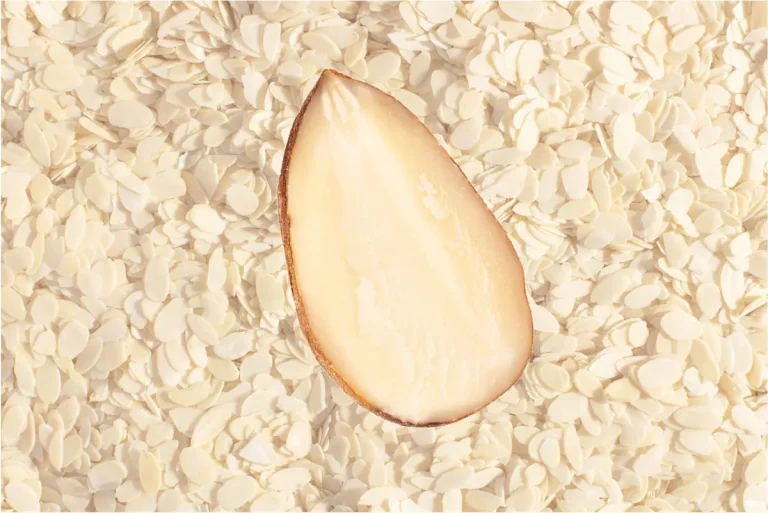
All Blog PostsNews

Updated in: September 08, 2026
. • All Blog Posts
When we look at the global food landscape, we notice a society increasingly concerned with health, prioritizing foods that are nutritious for the body. Among these foods, almond flour stands out prominently.
Produced by Treehouse Almonds through a meticulous process, almond flour showcases the full nutritional power of this delicious fruit.
Want to understand more about the journey of transforming almonds into flour? Keep reading!
Almond flour is an excellent option for those who are intolerant to gluten, in addition, it’s also a product rich in proteins, fibers, and vitamins. Each portion of this flour carries the flavor and nutrition of almonds, thanks to a quality-driven production process carried out by Treehouse Almonds.
Electronic Screening: At Treehouse, it all starts with the careful selection of almonds, ensuring that only the best are processed. With the help of electronic screening equipment, impurities are removed.
Bleaching: the almond skins are removed through the bleaching process. This technique involves the use of hot water and steam, ensuring a clean almond ready to be turned into flour.
Grinding and Sieving: After bleaching, the skinless almonds are finely ground and sifted, becoming the well-known almond flour.
Packaging: Finally, the almond flour is packaged, ready to be shipped.
Classification: Here, the almonds undergo meticulous checking to ensure that only the highest quality grains are used.
Pasteurization: When requested by the customer, almonds are steam pasteurized, ensuring even more safety and quality to the product.
Grinding and Sieving: Just like in the bleached flour process, the almonds are then finely ground and sifted.
Packaging: Lastly, the organic bleached almond flour is packaged to be shipped.
All almond flour produced by Treehouse Almonds is stored in a cool, dry place, which is the key to keeping it safe and retaining all its nutrients. For long-term storage, a temperature between 45-55 degrees Fahrenheit and 65% relative humidity is recommended.

Now that you know how the almond flour production and storage process works at Treehouse Almonds, it’s easy to see why we are one of the leading manufacturers of this product globally!
Beyond its nutritional richness, attention to detail and commitment to quality guarantee an exceptional product.
By choosing our almond flour, you’re opting for taste, health, and trust.
Don’t miss the chance to enhance your recipes with this special touch. Try it and feel the difference almond flour can make in your diet!
For bleached flour, almonds go through electronic screening to remove impurities, then bleaching (hot water and steam) to remove the skin, followed by grinding, sieving, and packaging. Natural flour instead goes through classification, optional steam pasteurization, grinding, sieving, and packaging.
Bleached flour production removes the almond skin using hot water and steam before grinding, resulting in a lighter, smoother flour. Natural flour skips bleaching and instead uses classification and optional pasteurization, preserving more of the almond’s natural characteristics.
Almond flour should be stored in a cool, dry place. For long-term storage, Treehouse recommends a temperature between 45-55°F and about 65% relative humidity to keep it safe and retain its nutrients.
Almond flour is rich in proteins, fibers, and vitamins, and is a suitable option for people who are gluten-intolerant.
Both organic and conventional almond flour go through the same bleached or natural production processes; the distinction is in how the almonds are grown rather than in the flour-making steps themselves.
Treehouse combines a quality-driven, meticulous production process with attention to detail at every step, from almond selection to grinding and packaging, resulting in a flour valued for its nutritional richness, taste, and consistency.
Stay tuned for the release of significant almond industry information, such as almond crop estimates and acreage reports. You’ll also find Almond Board shipping reports and related analysis from the Treehouse Almonds Leadership Team.


Be in the loop for vital news about the California almond market.
Enjoy 10% off when you order 6 or more