Empty cart
Oh no! It appears your cart is empty. Add some almonds to your daily regime with the Treehouse products.
All Blog PostsAlmond Market UpdatesNews

Roasting changes moisture and shelf life as well as color and flavor. A guide for R&D teams and procurement managers choosing between raw and roasted almonds.
Buyers often treat roasting as a flavor decision. It also moves moisture, shelf life, and packaging. The same kernel behaves differently in a batter than in a cereal bowl, depending on whether it was roasted and how far the roast went.
The differences end up as numbers on a specification sheet, and they are worth settling before a purchase order goes out.
In commercial almond sourcing, raw means the almonds have not been roasted. They may still have gone through pasteurization or another approved food safety treatment.
Natural almonds keep their skin. Blanched almonds have had the skin removed. Roasted almonds go through one more step, the one that develops flavor, color, and texture. Treehouse California Almonds dry roasts with controlled heat instead of oil.
For an industrial buyer, natural, blanched, pasteurized, and roasted are four separate products, and the specification has to say which one it is buying.
The Almond Board of California describes roasting as a heat process that changes texture, color, and flavor: the kernel comes out crunchier and browner, with a roast flavor. Color, texture, and flavor are the changes you can see. Heat also starts chemical reactions and alters how the kernel handles moisture and oxygen.
Source: Almond Board of California: Almond Processing Effects
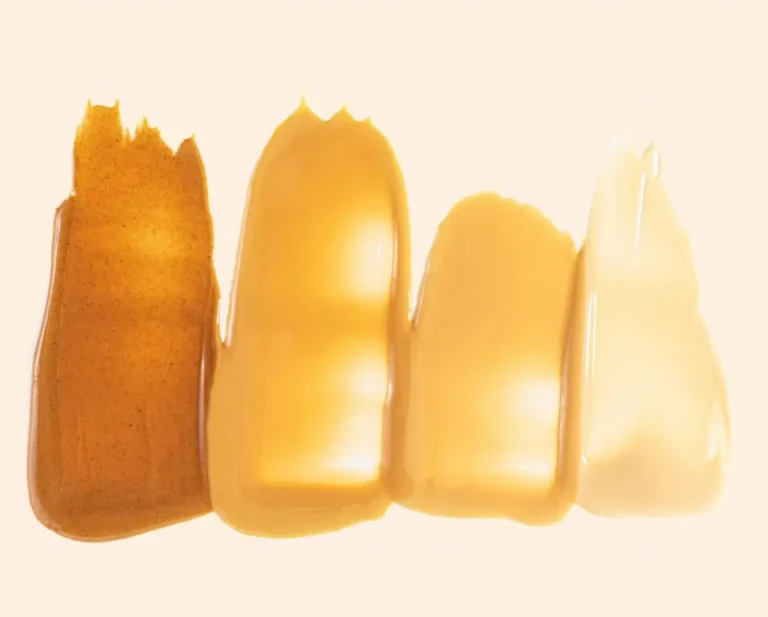
Roast flavor comes mostly from the Maillard reaction, the non-enzymatic browning that happens when sugars and amino acids meet heat. Time and temperature set the roast level together, and the same degree of roast is reachable at different temperatures by trading one for the other: longer at lower heat, shorter at higher heat. For almond butter, Treehouse specifies roast level on the Agtron color scale, with natural dry roasted butter in the 45 to 55 range.
Source: Almond Board of California: Almond Processing Effects
Source: Treehouse Almonds: Almond Butter Wholesale
Roasting leaves the almond with a crisp, crunchy exterior. That texture is why roasted almonds get picked for products where crunch counts as a sensory attribute. Test the crunch in the finished product, since later processing steps can change it.
Roasting takes moisture out. Treehouse specifies below 3% for its natural dry-roasted whole almonds. Low moisture keeps a roasted almond crisp, though it does not make the kernel inert, so check moisture against the specification on every lot.
Source: Treehouse Almonds: Whole Almonds Wholesale
Roasting raises oxidation risk. The Almond Board states that cut and roasted forms have a shorter shelf life than natural whole almonds, and that high roasting temperatures start some lipid oxidation. Treehouse rates natural whole almonds at 24 months, natural sliced almonds at 18 months, and roasted vacuum-packed almonds at 12 months. The Almond Board recommends packing roasted nuts promptly after cooling, in high-barrier packaging, to limit oxidation during storage.
Source: Almond Board of California: Almond Processing Effects
Source: Treehouse Almonds: Whole Almonds Wholesale
Acrylamide is not found in raw almonds. It forms during roasting. The Almond Board reports that roast temperature has a much larger effect on acrylamide than roasting time, and that roasting below 295°F (146°C) to reach a light or medium roast minimizes its formation. The same guidance favors 265 to 293°F because it preserves the almond microstructure and maximizes shelf life. Roast profile affects food safety as well as flavor, so ask suppliers for their roast temperature range.
Source: Almond Board of California: Almond Processing Effects
Application fit usually comes down to one question: is roast flavor part of the product, or something the formula has to keep out?
| Application | Typical Almond Format | Key reason |
|---|---|---|
| Almond milk and non-dairy beverages | Raw, blanched unroasted almond butter | Neutral flavor and pale color; roast notes compete with the base |
| Ready-to-eat cereals and granola | Roasted sliced or whole | Roast flavor and crunch that holds in milk |
| Trail mixes and snack products | Roasted whole | Roast flavor and crunch are the product attributes |
| Chocolate and confectionery | Dry roasted, or blanched for light chocolate | Roasted crunch holds through enrobing; blanched keeps white and milk chocolate neutral in color |
| Ice cream and frozen desserts | Roasted diced (12/8 or 22/8) | Crunch contrast against a cold base; Treehouse offers dry-roasted diced in both sizes |
| Batters, doughs, and gluten-free flour blends | Raw (natural or blanched) flour or sliced | Neutral flavor and no additional roast variable in the formula |
| Light-colored baked goods | Blanched raw flour | Keeps the product color neutral |
| Products requiring the longest shelf life | Raw natural whole almonds | Up to 24 months at Treehouse, compared with 12 months for roasted vacuum-packed whole |
Source: Almond Board of California: Almond Processing Effects
Source: Treehouse Almonds: Diced Almonds Wholesale
Moving a specification from raw to roasted changes several parameters at once. Moisture, shelf life, packaging, and roast control are the ones that affect purchasing, storage, and production.
| Parameter | Raw (natural) | Dry roasted |
|---|---|---|
| Moisture | Below 6% | Below 3% |
| Shelf life, whole almonds | Up to 24 months | 12 months (vacuum packed) |
| Shelf life, sliced almonds | 18 months | 12 months (vacuum packed) |
| Packaging | Per specification | Vacuum packed; high-barrier packaging recommended |
| Roast control | Not applicable | Time and temperature; Agtron for almond butter |
Source: Treehouse Almonds: Whole Almonds Wholesale
Source: Treehouse Almonds: Sliced Almonds Wholesale
Peroxide value belongs on the certificate of analysis for every roasted lot. It is the earliest indicator of lipid oxidation and the clearest check on a shelf life claim.
Treehouse dry roasts the formats that roasted applications use most, and the roast profile is one of the specification variables the company controls at the source. Dry-roasted products come as whole, sliced, slivered, diced, halves, flour, and butter.
Natural dry-roasted whole almonds, for example, come in 20/22 to 36/40 AOL with serious damage below 2% and moisture below 3%. Natural dry-roasted halves specify at least 80% intact halves, no more than 20% broken pieces, and serious damage below 2%.
Source: Treehouse Almonds: Almond Halves, Sliced, Diced or Whole
Roasted sliced almonds ship vacuum packed with a 12-month shelf life. Dry-roasted diced almonds in 12/8 and 22/8 sizes hold moisture below 3%. Almond butter comes in natural dry-roasted form at Agtron 45 to 55, and natural roasted almond flour is available for baking applications.
For manufacturers that need a roast profile outside the standard range, Treehouse works with R&D teams to set roast level, moisture target, and packaging before production begins. Certifications include BRC Global Standards, Kosher, Halal, CCOF (organic), Bee Friendly Farming, Sedex, UL, EcoVadis, and CASP. Full details are on the food safety and quality systems page.
Source: Treehouse Almonds: Sliced Almonds: The Ingredient That Scales the Industry
Source: Treehouse Almonds: Food Safety & Quality Systems
Roasting is one of the variables that decides which almond an application can use, because flavor, texture, moisture, and shelf life all move with it.
For a food manufacturer, the choice between natural and roasted almonds comes down to how those characteristics behave in the finished formulation. A neutral almond for a plant-based product and a crunchy inclusion for cereals or confectionery call for different specifications, and the right one supports product quality and keeps the line consistent.
At Treehouse California Almonds, we help manufacturers turn ingredient requirements into practical sourcing solutions.
Questions or larger-volume inquiries (> 1,500 lbs): Contact us directly
Order samples or small quantities (< 1,500 lbs): Visit the Treehouse Online Shop
Source: Treehouse Almonds: Whole Almonds Wholesale
Source: Treehouse Almonds: Sliced Almonds Wholesale
Source: Treehouse Almonds: Diced Almonds Wholesale
Source: Treehouse Almonds: Almond Butter Wholesale
Source: Treehouse Almonds: Almond Halves, Sliced, Diced or Whole
Source: Treehouse Almonds: Food Safety & Quality Systems
Source: Almond Board of California: Almond Processing Effects
Enjoy 10% off when you order 6 or more